


Managing technological change in manufacturing with explitia
Managing technological change in manufacturing
Prepare your team for new technologies
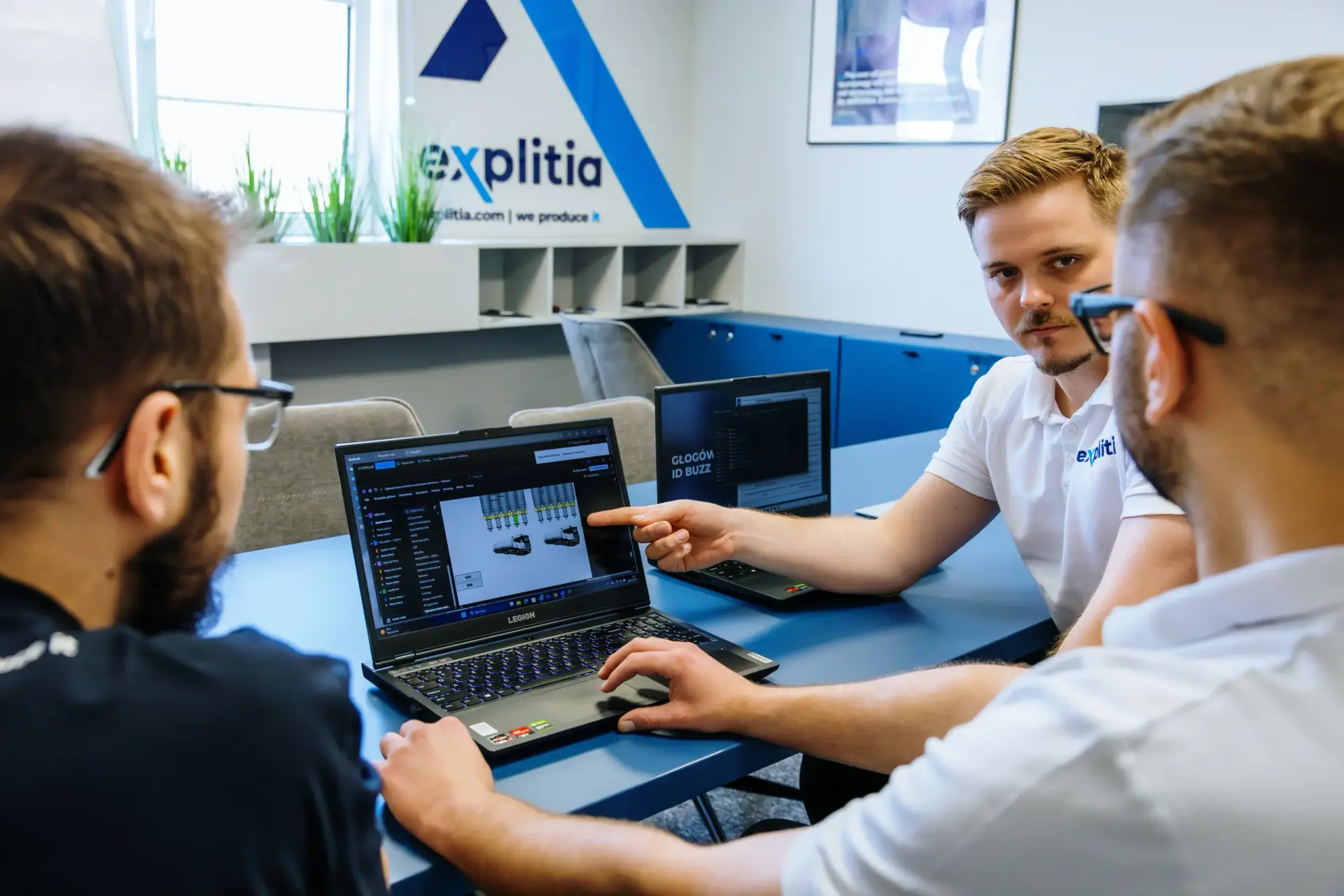
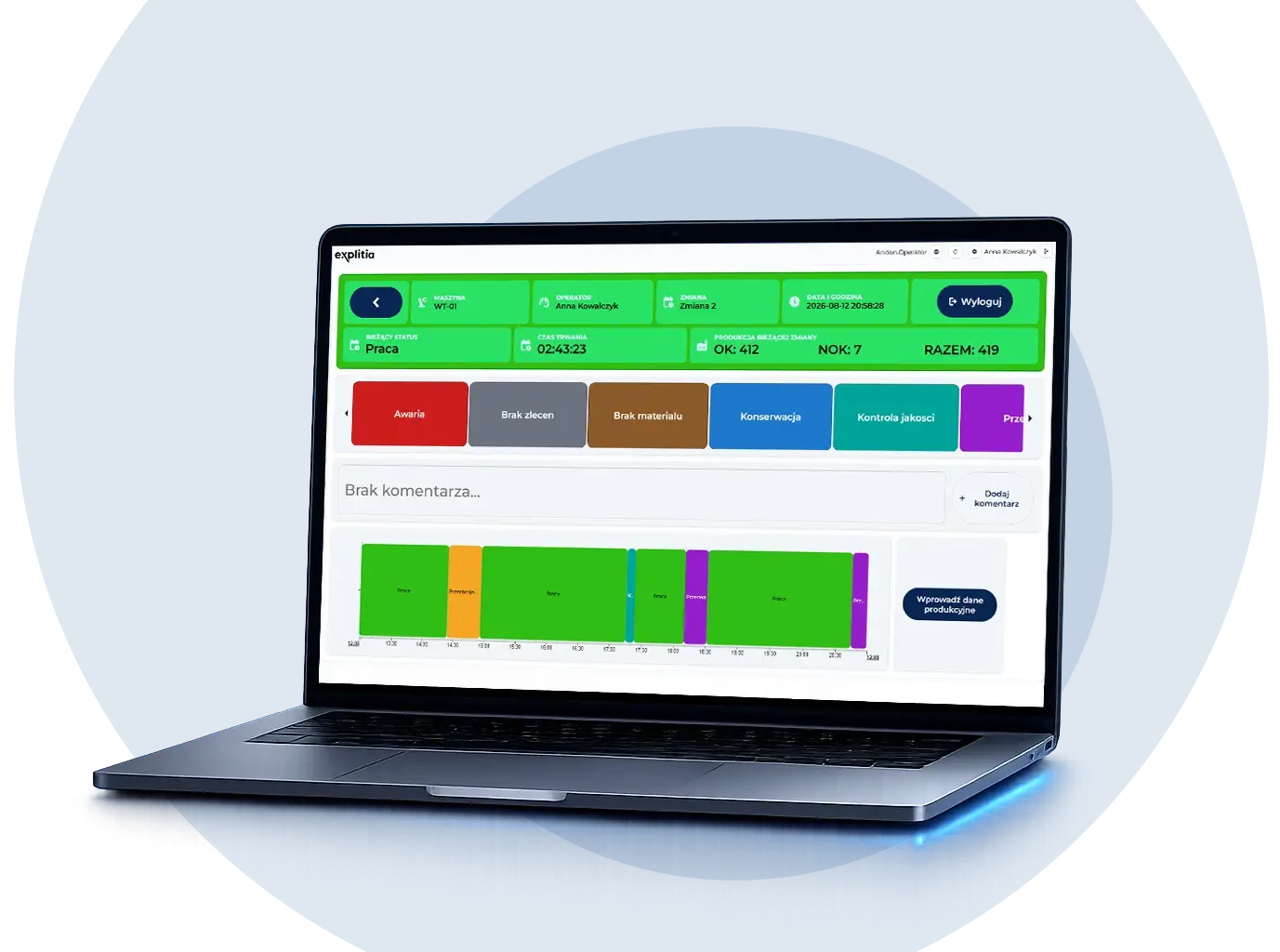
Implement ERP, MES, traceability systems or a Production Portal with the active involvement of your team. Combine technology, communication and training to reduce resistance and facilitate effective adoption.

What is technological change management?
Technological change management prepares employees for innovations that affect how they work. It helps you introduce technology without unnecessary chaos, frustration or efficiency loss.

Early communication
Explain why the change is being introduced and what it will mean for employees.

Employee engagement
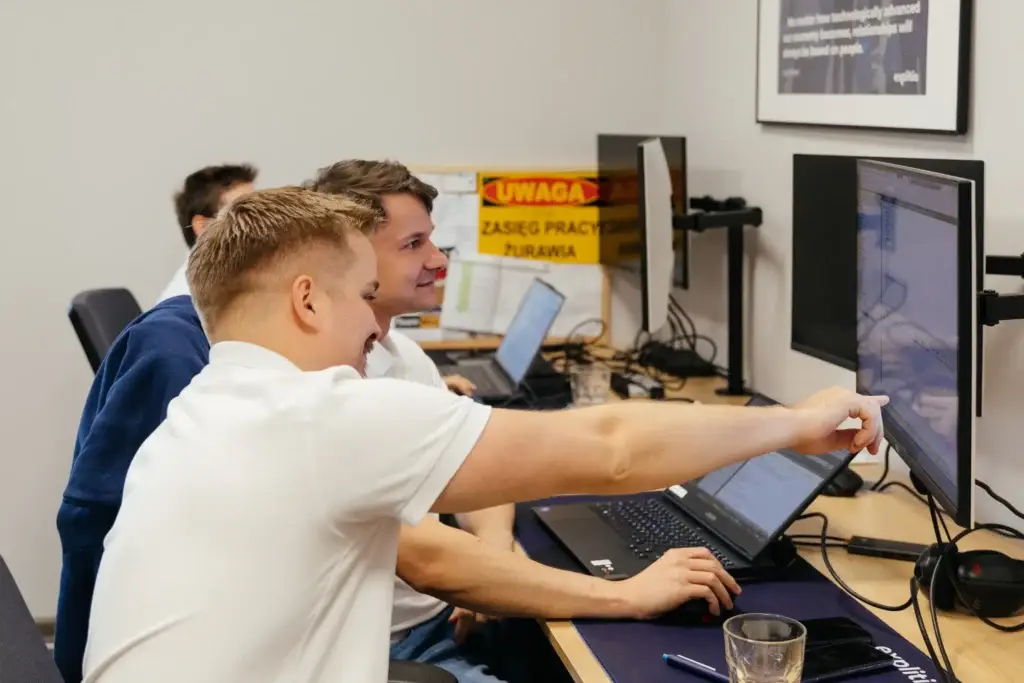
Include employees in workshops, pilot sessions and project activities.

Role-based training
Adjust training to the responsibilities and needs of different user groups.

Continuous feedback
Respond to concerns and adapt the pace of change to the organization.
The effects of managing technological change
Prepare your team for new working methods, reduce resistance and improve the adoption of implemented solutions.
-
Improve the adoption of new tools.
-
Reduce employee resistance.
-
Support communication between teams and managers.
-
Limit frustration and loss of morale.
-
Increase the potential return on investment.

Turn employee resistance into active engagement in technological change.

Higher acceptance
Help people understand the purpose and benefits of the introduced change.

Faster adaptation
Support teams in learning new systems, tools and procedures.

Greater engagement
Include employees in workshops, pilot sessions and implementation activities.

Lower project risk
Reduce the risk that a new solution will not be accepted or used effectively.
How does technological change management work?

Early communication
We inform teams about why the change is necessary and what it will involve.


Employee engagement
We invite employees to participate in workshops and pilot sessions.


Tailored training
We adjust training to different employee roles and needs.


Empowering change leaders
We prepare managers at different organizational levels to support the transformation.


Feedback and monitoring
We respond to concerns and adjust the pace of change when necessary.
opis czy cośtam
What does technological change management include?

Change communication


Employee engagement


Tailored training


Change leader preparation


Feedback collection


Implementation support


Change communication
-
Explanation of the purpose of the project
-
Communication of planned changes
-
Presentation of the impact on daily work
Explore technological consulting


Employee engagement
-
Participation in workshops
-
Involvement in pilot sessions
-
Collection of employee observations
Explore technological consulting


Tailored training
-
Training adapted to specific roles
-
Preparation for new tools and procedures
-
Support for different user groups
Explore technological consulting


Change leader preparation
-
Training for managers
-
Support for leaders at different levels
-
Preparation for communication with teams
Explore technological consulting


Feedback collection
-
Monitoring employee concerns
-
Responding to reported difficulties
-
Adjusting the pace of activities
Explore technological consulting



Implementation support
-
Support during digital transformation projects
-
Activities for shorter technological projects
-
Preparation for the adoption of implemented solutions
Explore technological consulting

Technologies supported by change management

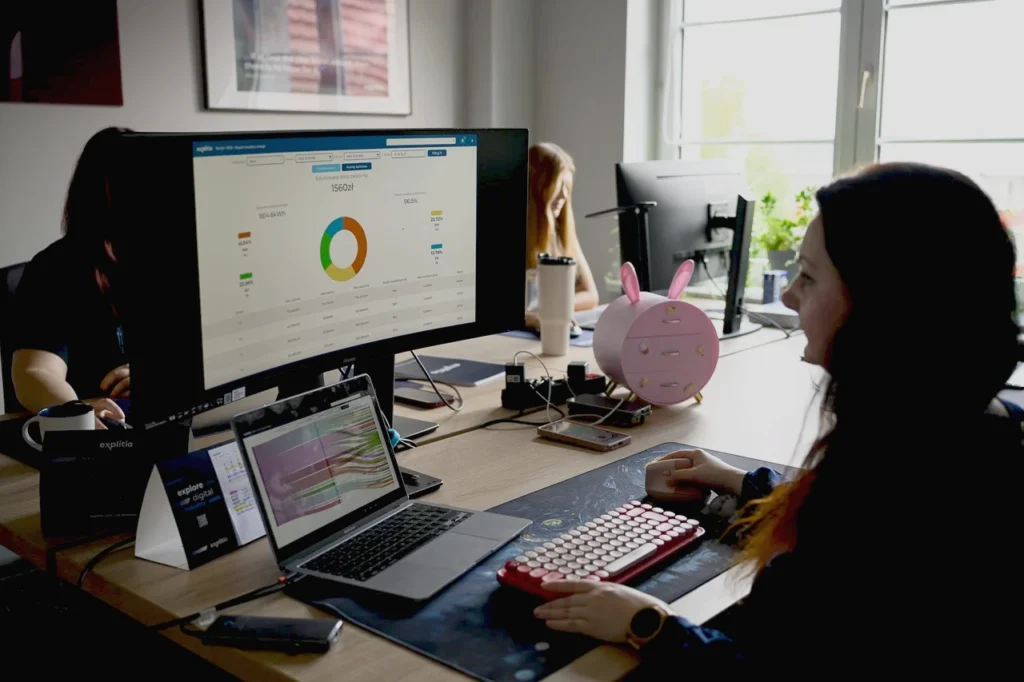
ERP systems

MES systems

Traceability systems

Production Portal

New IT systems

Upgraded production equipment

New working procedures

Digital transformation projects
Change management can help with both large-scale transformations and shorter projects that affect how your people perform their daily work.
Technology consulting as a bridge to Industry 4.0
Read the article
Read the article

Learn how technological consulting supports manufacturing companies in planning digital transformation and preparing employees for upcoming changes.
-
Analyze the company’s actual technological needs.
-
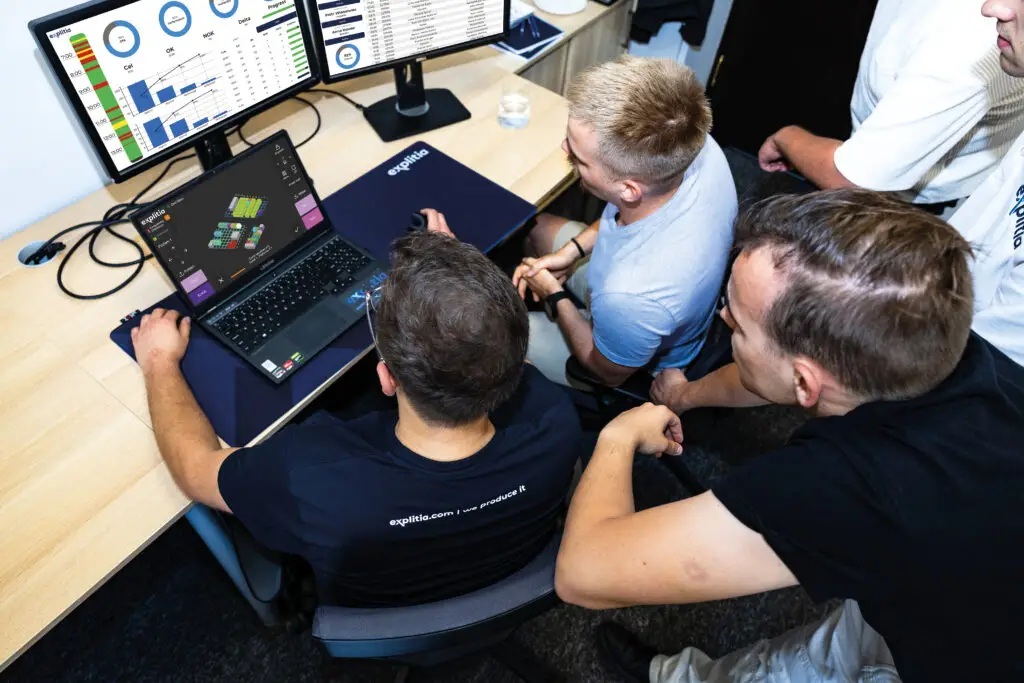
Prepare employees for upcoming changes.
-
Reduce internal resistance during implementation.

Topic
Technology consulting

Key areas
Digital transformation, change management, Industry 4.0

Content type
Explanation and guide
Elements of technological change management

Early Communication
Explain the reasons for the change and show employees what will change in their daily work.

Employee Engagement
Invite employees to participate in workshops and pilot sessions connected with the new solution.

Targeted Training
Prepare training adapted to different employee roles, responsibilities and needs.

Change Leaders
Equip managers at all levels with the knowledge required to support their teams.

Feedback and Monitoring
Collect concerns, respond to difficulties and adjust the pace of the transformation.

Consulting and Implementation Support
Combine organizational preparation with practical experience in implementing systems for production teams.
FAQ: Managing Technological Change
Technological change is any innovation that affects how employees work. It may include the implementation of a new IT system, upgraded equipment, different procedures or new responsibilities.
A new system changes more than the technology itself. It can also change procedures, expectations and daily working methods. Without preparation, this may lead to resistance, frustration and lower efficiency.
Change management can support the implementation of ERP, MES, traceability systems, a Production Portal and other technologies that affect production work.
Early communication helps employees understand why the change is being introduced, what it will involve and how it may affect their responsibilities.
Participation in workshops and pilot sessions gives employees an opportunity to understand the solution, share practical observations and become actively involved in the change.
Training should be adapted to different employee roles and needs. Users should receive preparation that reflects how they will use the new system or equipment in their daily work.
Change leaders are managers who help communicate the transformation, support employees and respond to difficulties at different organizational levels.
The process may include monitoring employee concerns, collecting feedback and assessing whether the pace of change should be adjusted.
Yes. The same activities can support both large digital transformations and shorter projects that introduce new technologies or working methods.
The benefits include higher acceptance of change, faster adaptation, greater employee engagement, lower project risk and a higher potential return on investment.
Prepare your team for technological change
Introduce new systems and working methods with communication, employee engagement and support made for your organization.

Clear communication
Help employees understand the purpose and scope of the planned change.

Employee engagement
Include production teams and managers in workshops and pilot activities.

Suitable preparation
Adjust training and support to different roles and employee needs.